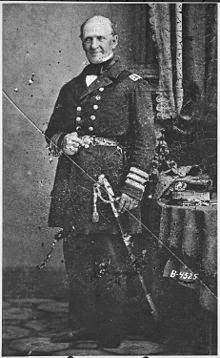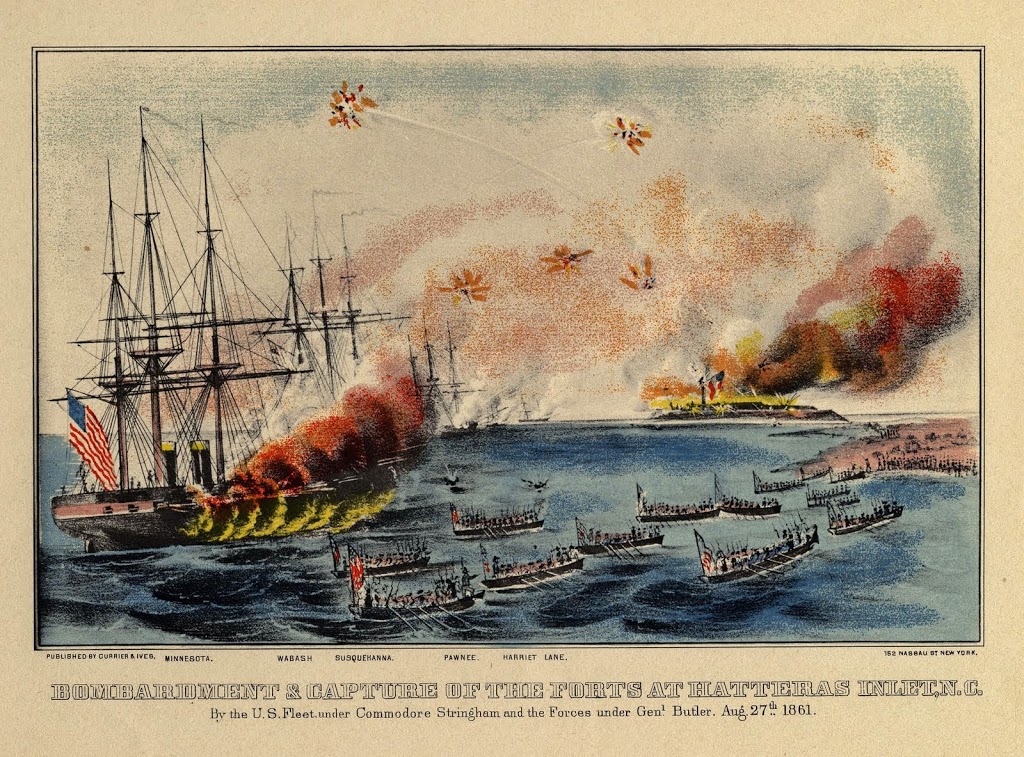
In which we discuss the Blockade Board, Confederate privateers, and the capture of Hatteras Island by a Federal joint army-navy task force in August, 1861.
Our book recommendation for this episode is The Civil War in Coastal North Carolina by John S. Carbone. “From the drama of blockade-running to graphic descriptions of the battles on the islands and sounds of the Tar Heel State, The Civil War in Coastal North Carolina portrays the explosive events that took place on the North Carolina coast during America’s great sectional conflict.”
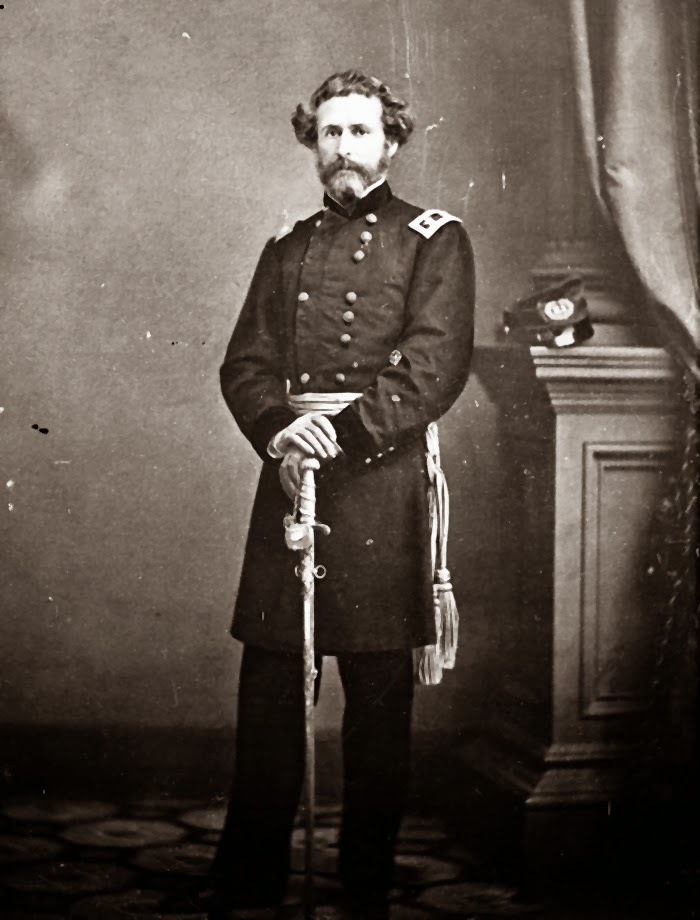
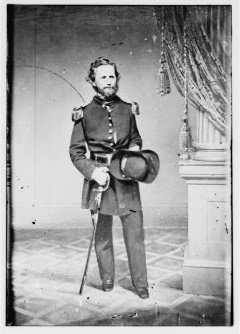
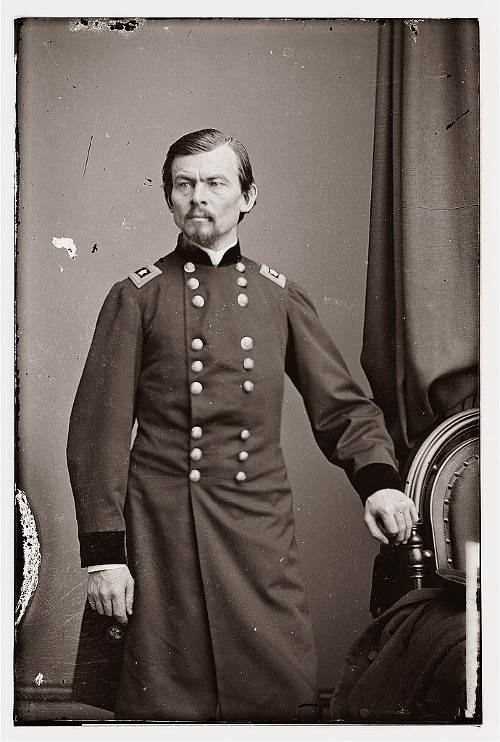
In which we look at John C. Fremont’s tenure as commander of the Federal’s Western Department in 1861 and see how troubled Missouri proved to be his downfall.
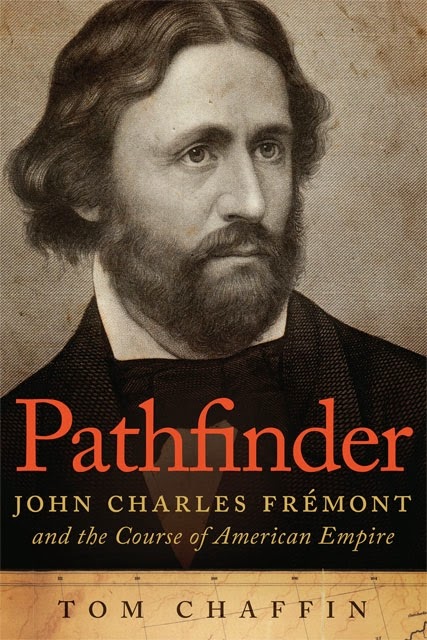
Our book recommendation for this episode is Pathfinder: John Charles Fremont and the Course of American Empire by Tom Chaffin. “The most eloquent, understanding, and yet very candid biography of Fremont that has appeared to date.” ~ Howard R. Lamar, Yale University
In which we discuss the successful siege of Lexington by Sterling Price’s Missouri State Guard in September, 1861.
Our book recommendation for this episode is actually a back issue of North & South magazine. Issue #3 of the magazine, from February 1998, has an excellent article about the siege of Lexington by Jeff Patrick.
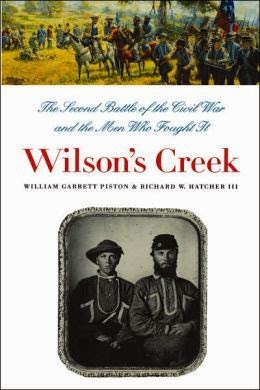
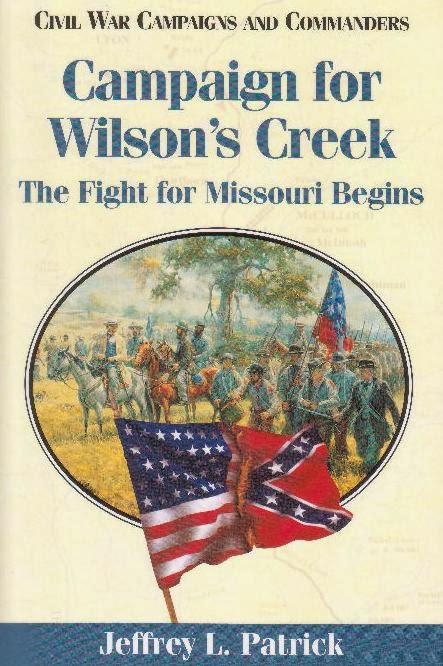
In which we cover the action at the Battle of Wilson’s Creek (August 10, 1861).
Our book recommendation for this episode is Wilson’s Creek: The Second Battle of the Civil War and the Men Who Fought It by William Garrett Piston & Richard W. Hatcher III. “The definitive study of a long-neglected but important battle… It should be seen as a blueprint for the way all Civil War books ought to be written.” ~ Journal of American History
In which we continue our look at the mayhem that broke out in Missouri at the start of the Civil War. In this episode, we cover the ‘Battle of Carthage,’ and set the stage for the Battle of Wilson’s Creek.
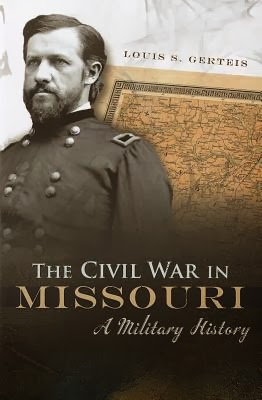
Our book recommendation for this episode is The Civil War in Missouri: A Military History by Louis S. Gerteis. “Making a case for the national importance of Civil War military campaigns in Missouri, Louis Gerteis portrays the operations of Union and Confederate armies in vivid detail. Although Missouri was notable for the intensity of its guerrilla warfare, this book demonstrates that conventional armies largely determined developments in the state, forming the anchor of Union control in the trans-Mississippi theater.” ~ James M. McPherson
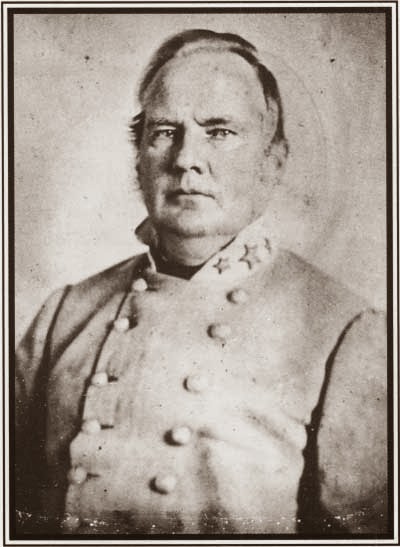
In which we look at the mayhem that broke out in the important border state of Missouri at the start of the Civil War.
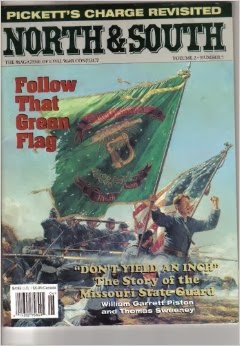
Our book recommendation for this episode is actually a magazine article in a back issue of North & South magazine. Volume 2 #5 (June, 1999) of North & South has an article titled “Don’t Yield an Inch! The Story of the Missouri State Guard” by William Garrett Piston & Thomas P. Sweeney.
In which we discuss Chief Justice Roger Taney’s dramatic challenge to Abraham Lincoln’s suspension of “the great writ of liberty” (habeas corpus).
Our book recommendation for this episode is The Body of John Merryman: Abraham Lincoln and the Suspension of Habeas Corpus by Brian McGinty. “An original, comprehensive, and well-written narrative about the first constitutional crisis pitting Abraham Lincoln against Chief Justice Roger B. Taney. Anyone interested in American history, the Constitution, and the Civil War will be anxious to read this excellent book.” ~ Frank J. Williams, former Chief Justice of the Rhode Island Supreme Court and founding chair of The Lincoln Forum
Union soldiers practice loading injured men into an ambulance.
In which we continue our discussion of medical issues affecting Civil War soldiers. In this episode, we look at what happened to a soldier after he was wounded on the battlefield.
Our book recommendation for this episode is actually an article in the January 2009 issue of America’s Civil War. That article is titled “Life Is Better Than Limb” and posits that wartime amputations, while extreme, saved thousands of lives and helped spur the development of modern prosthetics.